Optional background music while you read.
When people see Sarah today, they see a woman in the final stages of Huntington’s disease. They see the movement, the difficulty speaking, the problems swallowing and everything she now needs help to do.
But that is not where her story begins.
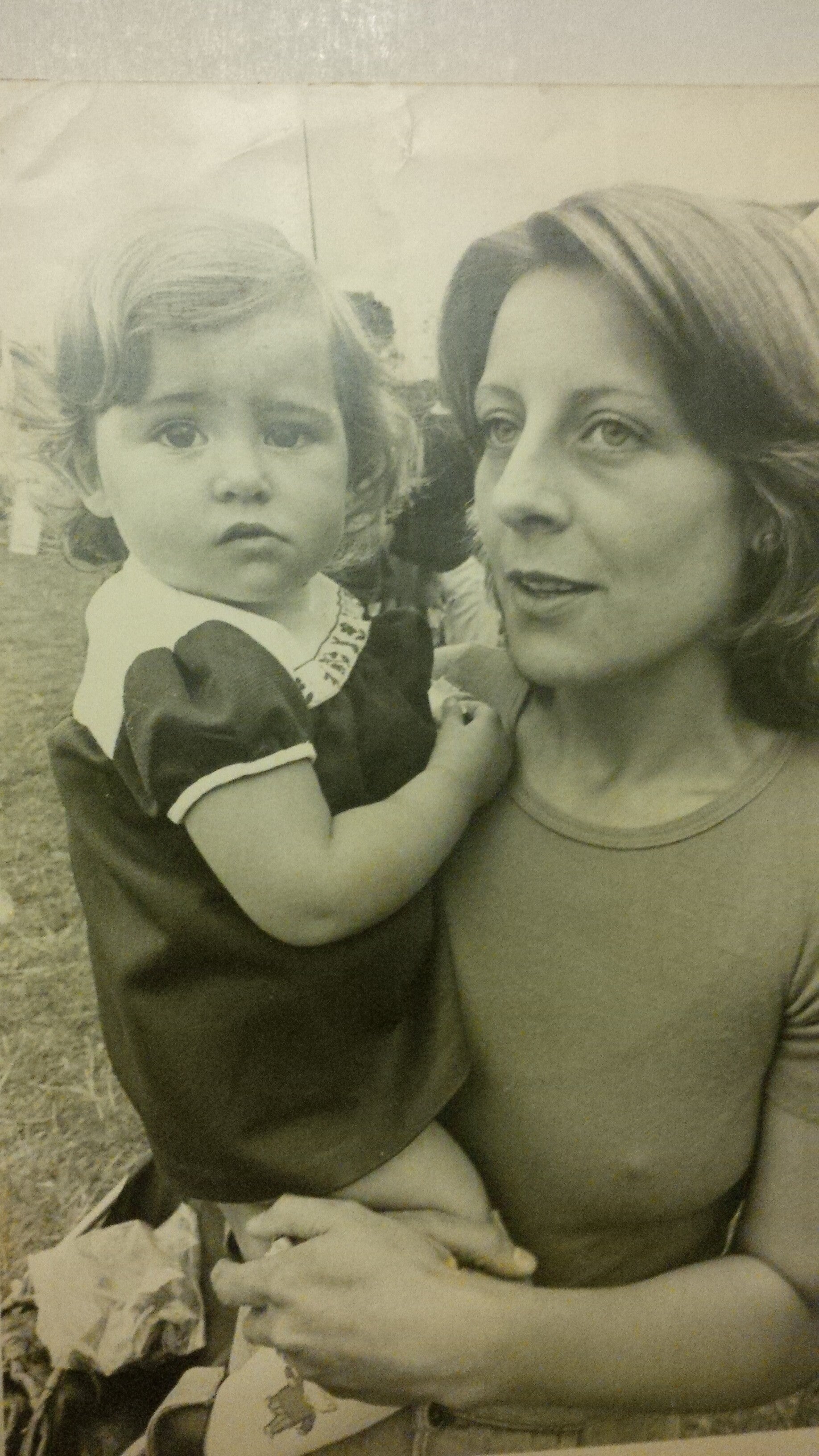
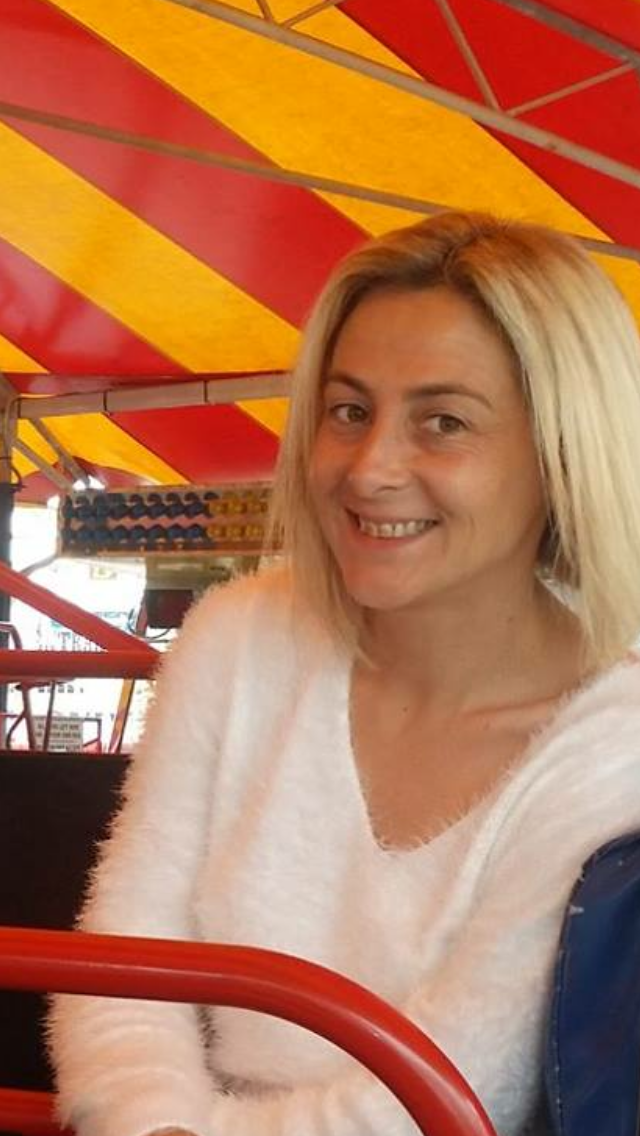
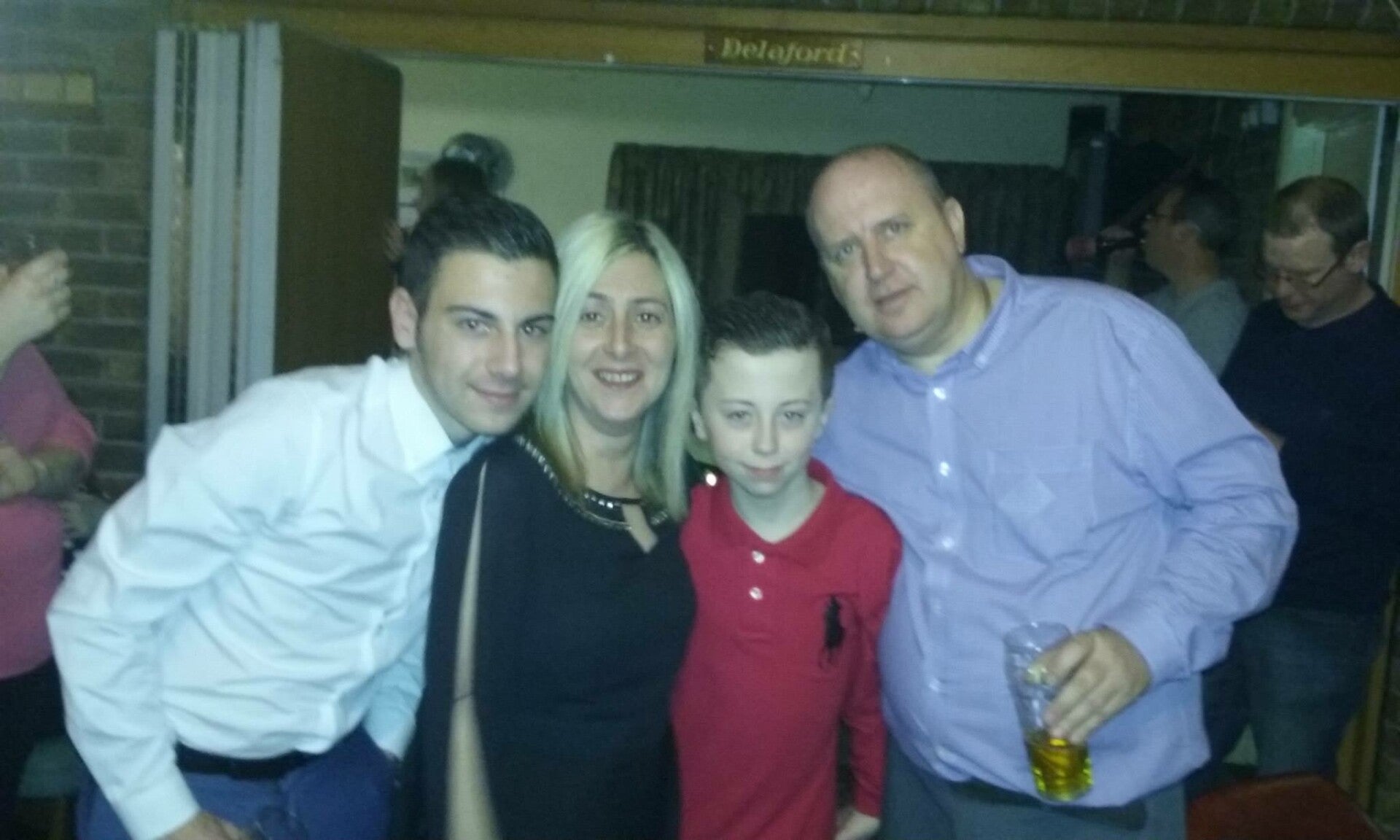
Before Huntington’s became visible, Sarah was a daughter, a dental nurse, a hard worker and the young woman I fell in love with. She later worked for a party and balloon wholesaler, picking and preparing orders and speaking with customers. She was independent, sociable and strong. Long before anybody called her a patient, she was simply Sarah.
And that is the woman I want people to know.
The Happiest News and the Conversation That Changed It
Sarah and I had already been together for several years and were living in my flat when she became pregnant with Charlie. I was working as a clown, doing summer seasons at Thorpe Park and other venues. We were excited. This was not a new relationship or an accident between two people who barely knew one another. We had built a life together, and we were going to become parents.
Sarah phoned her dad with the news. Instead of sounding happy, he became very quiet and almost tearful.
At first, I was disappointed with him. I could not understand his reaction. I thought he should have been pleased for us.
That evening, he came round and explained that something called Huntington’s disease ran in their family. Sarah’s grandad Sid had suffered from it years earlier and had spent time in a psychiatric hospital in Southall, West London, but nobody had properly understood what his illness was. Sarah’s mum, Lynne, was not showing clear symptoms then, although perhaps there were already small signs that something was changing.
Only later did I understand Sarah’s dad’s reaction. It was not disappointment about the baby. It was fear for his daughter and grandchild.
Sarah needed answers. That was her nature, I was the opposite. I believed that what I did not know could not hurt me, and I begged her not to find out. A result would not change how I felt about her or the baby, so I wanted us to get on with our lives.
But Sarah was the one who would have to live with the answer. After months of counselling and many difficult questions, she chose to take the genetic test.
When we returned to the Churchill Hospital in Oxford for the result, Sarah knew before the neurologist spoke. She saw it in her face. They offered tea and tried to ease us into the conversation, but she did not want any of that.
“I just want my result. I want to go.”
As she had guessed, her result was positive. If my memory is correct, her CAG repeat was 47.
The journey home took about forty-five minutes. Not one word was spoken. Tears rolled down my face while the car remained completely silent. Neither of us knew what there was to say.
Sarah was pregnant with Charlie, so the result did not belong only to her. Our unborn son now had a 50% chance of inheriting the altered gene too.
Sarah’s response to knowing what might be ahead was simple:
“I could get run over by a bus tomorrow.”
She refused to spend her life waiting for Huntington’s to arrive. Emotionally and mentally, Sarah was always stronger than I was, or ever will be. I worried about the future. Sarah faced it head-on and carried on living.
Sarah Became Mum
Charlie was born in 1998, and Sarah threw herself into being his mum.
Our flat had serious damp, and there was concern that it might be affecting Charlie’s breathing and possibly causing asthma. We chose to leave and lived with Sarah’s mum and dad for around six months until we were housed in a nice two-bedroom home of our own.
I stopped clowning professionally because seasonal work could not provide the security a young family needed. I found work as a carpet cleaner in Burnham, became operations manager in 2002, then soon after I started my own cleaning business.
That same year, Sarah became pregnant with Jake. It simply happened, and once again happiness arrived carrying the same terrible fear. We knew another child would face a 50% risk.
At that time, no testing or treatment that could help us have a child free from Huntington’s was explained or made available to us. As we understood it, the only way not to continue with the risk was to end the pregnancy. Neither of us could do that.
Sarah continued with the pregnancy, and Jake came along and completed our family.
When Sarah became a mum, she gave up paid work to concentrate on raising our boys. I used to joke that she was my “well-kept housewife,” but looking after our home and family was her work choice and she put everything into it.
In Sickness and in Health
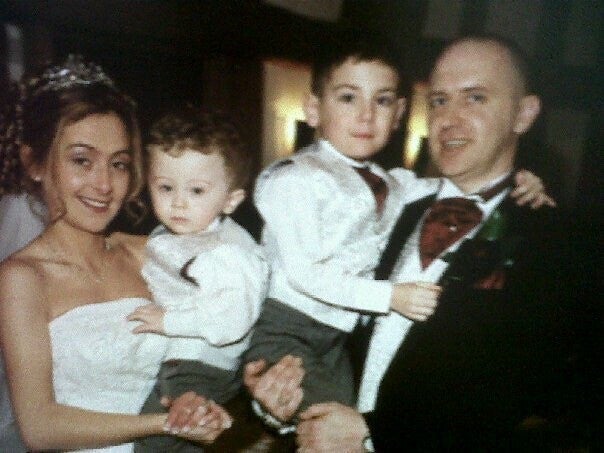
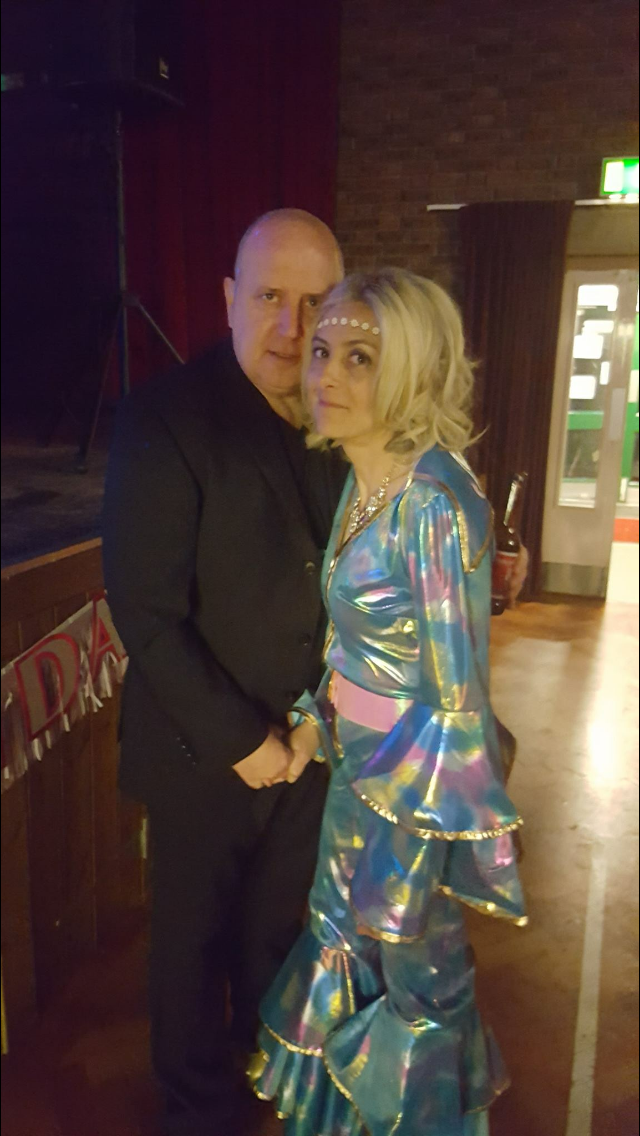
Sarah and I married in 2004, with our children and family around us. Her mum, Lynne, was there to see her daughter get married.
Like most grooms, I was nervous about the ordinary things. Did I have the rings? Would everything go to plan? Would I remember my speech? I was absolutely terrified, but I was smiling and caught up in one of the happiest days of our lives.
Then came the vows:
“in sickness and in health.”
Hearing those words brought Huntington’s straight back into the room. Most couples say them without knowing what illness may lie ahead. We said them already knowing its name. For a moment, the words echoed around my head, bringing back all the fear I had managed to push aside during the excitement of the day.
We had never discussed how it might feel to hear them spoken out loud. But this was our wedding day, so I pushed the fear back down, smiled at Sarah, and carried on enjoying one of the happiest days of our lives.
We celebrated with our family and continued doing what we had done since receiving Sarah's result: living the life in front of us.
The Woman Behind the Tea-Room Window
For years, ours was an ordinary family life. My cleaning business grew, eventually employing sixteen people. We had holidays, raised our boys, paid the bills and got on with things.
Sarah and I were already involved with the local football club. On cold Sunday mornings, she was the face at the tea-room window, serving teas, coffees and bacon sandwiches while the children played. Everybody knew her. Everybody loved her. She became part of the heart of the club and, in many ways, the face of the village.
Then, after several years, she quietly said, “This will be my last year.”
I believe Sarah noticed the changes before many other people did. Perhaps she was frightened of dropping something, spilling a drink or slurring her words in front of people who had always known her simply as Sarah. Rather than wait for that moment, she chose when to step away.
That decision was typical of her. She faced what was happening, made the difficult choice herself and carried on.
Watching Her Mum and Knowing
While Sarah was living her own life, Huntington’s was becoming more visible in her mum.
Lynne had been the life and soul of every party, with her bright red lipstick and a personality that filled the room. That is how she deserves to be remembered, not only as somebody who became ill.
Over the years, we watched Huntington’s change her. Lynne eventually had a PEG feeding tube, but it repeatedly came out and the site became infected and septic. When Sarah’s dad needed an operation, Lynne entered respite care. She settled there and later moved permanently into the care home near Hitchin, Hertfordshire, where we visited her regularly until she died.
Sarah had watched the disease take her mum while knowing it was waiting for her too. Still, she carried on.
When the Result Became Real
Sarah began showing clearer symptoms at around 42 or 43. There were falls, often resulting in stitches or staples to her head. Everyday tasks slowly became dangerous. She once spilled boiling water while making tea and suffered severe burns to her stomach.
Yet she would not allow the illness to define her. Something would happen, we would adapt, and Sarah would carry on.
Her driving licence was one of the most painful things to lose. Sarah had a small accident at very low speed after misjudging a gap left by another driver. Nobody was hurt and the damage was only a scratch on a bumper.
But that little accident meant much more to Sarah than a damaged car. It showed her that Huntington’s was no longer just a test result or something waiting in the future. It was affecting what she could safely do. This was just another sign that HD was getting real.
Sarah cared deeply about that. She made the responsible decision to hand back her licence before anybody could be hurt. But doing the right thing did not make it less heartbreaking. Her licence represented freedom, the ability to leave the house without asking, go where she wanted and return when she chose. Another piece of her independence had gone.
Huntington’s continued taking things in pieces: driving, confidence, friendships and eventually the ability to go out alone. People who once surrounded Sarah gradually disappeared. Familiar faces became strangers.
But Sarah never stopped thinking about other people.
She volunteered for clinical research, including studies involving injections and lumbar punctures to collect spinal fluid. She knew the trials were unlikely to benefit her personally. She did them because Charlie and Jake each had a 50 per cent risk. If what researchers learned from her could one day help our sons or another family’s children, she was willing to go through it.
That was Sarah.
The Strongest Woman I Have Ever Known
As her symptoms progressed, our home and routines changed around her. Kettles, furniture, meals and bathrooms all had to be reconsidered. Eventually, after one fall too many, it became clear that Sarah could no longer be left safely on her own. I closed the cleaning business I had spent sixteen years building and came home to care for her full-time.
Our roles changed, but Sarah remained Sarah.
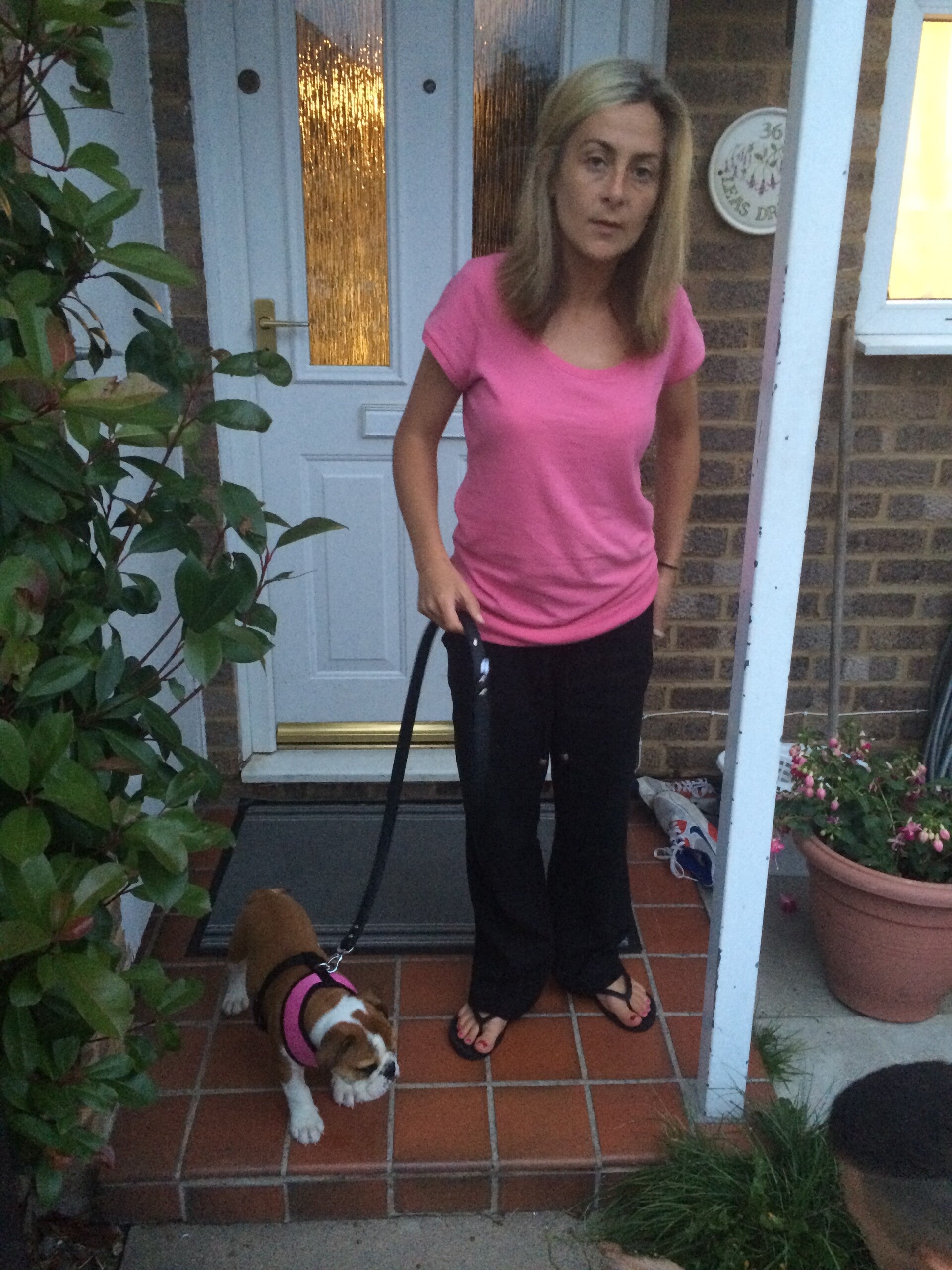
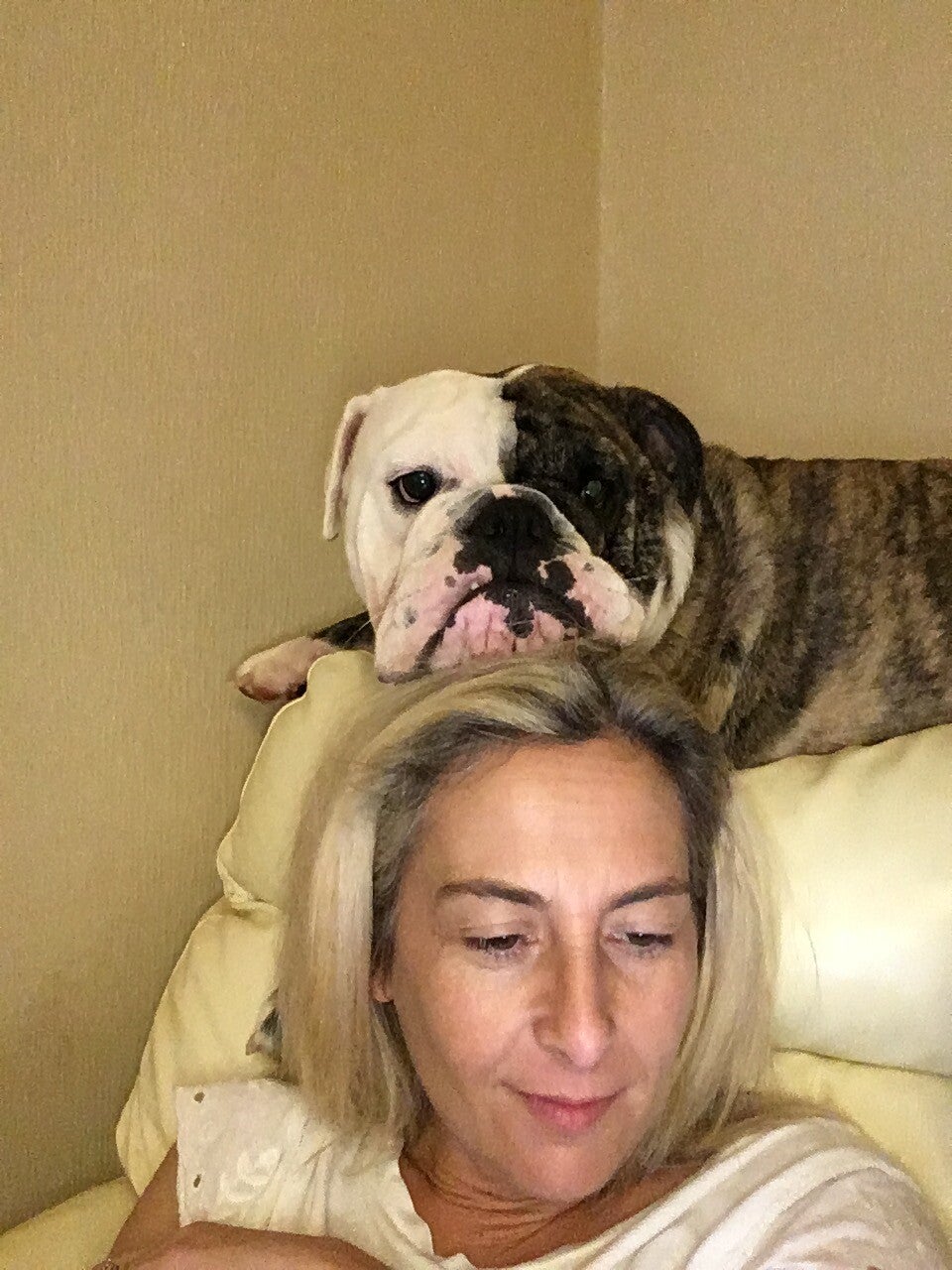
Her speech became harder to understand. Walking became dangerous. Eating required more patience and care. Even our two bulldogs, Leia and Lacey, Sarah’s fur babies, were affected. They began fighting over food she dropped, and despite everything we tried, one eventually had to be rehomed for their safety. It was another loss forced upon her by Huntington’s.
But whatever difficult decisions I have had to make, I have never believed I am the strong one in this story.
Sarah is.
She has endured every loss, every fall, every frightening change and every new limitation. Emotionally and mentally, she has always been stronger than me. She did not waste the years she had fearing what might happen. When it happened, she met it head-on.
The Fifty-Fifty Shadow and Two Children Free From HD
Sarah’s greatest concern was never only herself. It was our boys.
Both Charlie and Jake live with a 50 per cent chance of carrying the altered gene. That uncertainty sits behind birthdays, relationships, plans and decisions about having children.
Years after Sarah and I were offered no way of protecting our children from the risk, science gave the next generation choices we never had.
Charlie and his wife Ella went through two and a half years of hope and heartbreak to have their son Beau through IVF with genetic testing. Beau was born free from Huntington’s disease. Our granddaughter Ruby was also confirmed free from HD before she was born.
For the first time in almost thirty years, Sarah and I could look at two little members of our family and know that Huntington’s could never be passed on through them.
HD stops with Ruby and Beau.
Where Sarah Is Today
Sarah is now in the final stages of Huntington’s disease and receiving palliative care at home.
Her swallowing has deteriorated, and we have faced the decision about a PEG feeding tube, the same type of tube that caused so many problems for her mum. After discussions with the professionals and thinking about what Sarah would want, we chose to continue risk feeding. She receives food, drinks and supplements by mouth, accepting the risks while preserving the comfort and normality of eating for as long as possible.
There is no easy answer. There is only the decision that feels least wrong for the person you love.
Sarah cannot be left alone. I help her wash, dress and eat. Our new downstairs wet room makes some of the physical caring easier, but easier is not the same as easy.
People sometimes tell me I am strong or that I am doing a good job. But they see the caring. I see the woman enduring it.
Sarah is still the strongest one.
As a distraction or coping mechanism, I began building puppets in the quiet hours between caring. I have never performed with them; I simply build them and watch other people bring them to life. Seeing something made by my hands make other people happy brought a little light into difficult days.
Sarah’s Story Must Not Disappear
For a long time, I felt that we were navigating Huntington’s largely by ourselves. I struggled to find information written in language ordinary families could understand, and at times I felt ignored by the charities I expected to be there.
That experience eventually led me to use my puppet hobby in a different way. I made the film Puppets, Hope and Huntington’s, followed by One Year On, Our Huntington’s Journey and the I Am HD concept. The films allowed people to see and hear something that families like ours had struggled to explain.
Things may now be changing. The I Am HD concept has been well received, and conversations have begun about possibly working with the HDA on future awareness projects. To go from feeling ignored to potentially working alongside one another is quite a turnaround.
I also built the What Is HD website, not as a doctor or scientist, but from nearly thirty years of living beside Sarah. I wanted somewhere that explained the illness clearly, shared real family experiences and helped people feel less alone.
That same desire to make Huntington’s more visible led me to start the Time to See HD petition, calling for greater television and media awareness. It is another way of making sure families like ours are seen, heard and better understood.
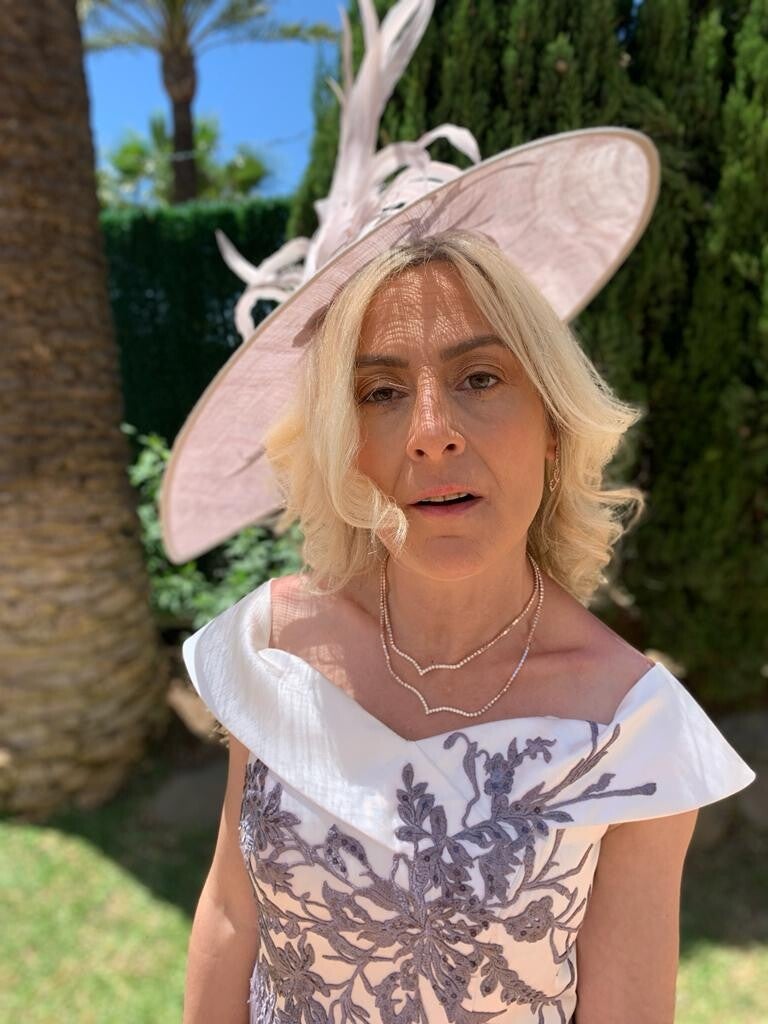
I hope the website continues. I hope people share it, read the stories and watch the films. One day it will also be a place where people can find Sarah, not only the woman Huntington’s made dependent, but the dental nurse, the hard worker, the mum, the football-club favourite, the woman who faced everything head-on and the nan who lived long enough to see two grandchildren born free from HD.
I do not know whether I will continue building puppets after Sarah has gone. I have barely built any in recent months because caring for her comes first. When the time comes, I may never want to pick up the foam and fleece ever again. Or perhaps one day I will. I cannot know that from where I am standing now.
But I Am HD already exists. The films exist. The website exists. If they help another family feel less alone, or make one more person stop and ask what Huntington’s disease is, then something created from Sarah’s suffering will continue doing good.
While She Is Still Here
I sometimes look at Sarah and see everything Huntington’s has taken, but I still see the same woman underneath it all.
She is the young woman who worked as a dental nurse. She is the mum who chose our sons despite the fear. She is the bride who stood beside me as we promised “in sickness and in health.” She is the woman serving bacon sandwiches from the football tea-room window. She is the daughter who watched Huntington’s take her own mum and still volunteered for research that might help the generation after her.
She is a mum, a nan and my wife.
For almost thirty years, Sarah knew what was waiting for her. She could have allowed that knowledge to consume every good year she had. Instead, she lived.
Now my days are built around caring for her. I listen for her, watch her, feed her, wash her, protect her and make sure she never faces any of this alone. One day, the house will fall quiet and she will no longer need me to do those things. I cannot imagine that silence, and I am not ready for it.
But this is not goodbye. Sarah is still here.
While she is here, she comes first. I will keep holding her hand and doing everything I can for her, just as I promised on our wedding day.
Huntington’s may have spent nearly thirty years waiting.
Sarah spent them living.
Listen To: Sarah - Our Light
The above story in a song
Arranged and produced by Kyle Rendell